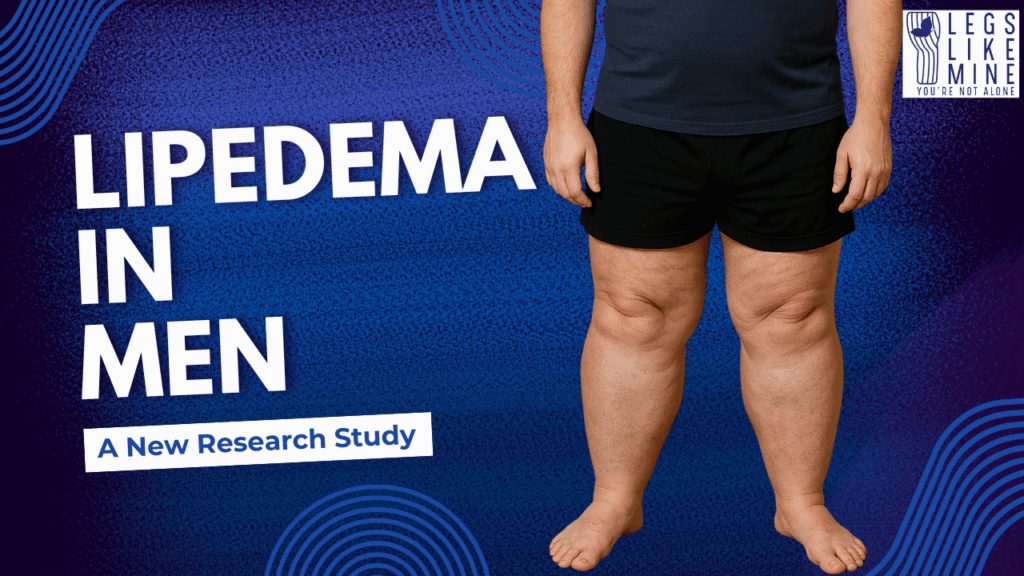
When we talk about lipedema, most people—and most doctors—think of women. You even hear me and other bloggers and creators talk about lipedema generally impacting peopel assigned female at birth, women. Historically, it has been considered almost exclusively a female condition, often mistaken in men for obesity or another disorder. That is why a new case series published in 2025 is such a big deal. It documents five men diagnosed with lipedema at a Brazilian referral center, challenging the idea that this condition is “just for women.”
You can read the full paper here: Lipedema in Men: A Retrospective Case Series of Five Patients From a Brazilian Referral Center.
Key Findings from the Study
Lipedema can and does occur in men
These five men, aged 31 to 58, all showed the same hallmark signs seen in women with lipedema:
-
Bilateral, symmetrical fat accumulation in the legs
-
Sparing of the feet (a key distinction from lymphedema)
-
Negative Stemmer’s sign
-
Pain, easy bruising, and swelling in some cases
High rates of endocrine disorders
Eighty percent of the men in the study had endocrine issues such as type 1 diabetes, hypothyroidism, or metabolic syndrome. This supports the idea that hormones and metabolic health may play a role in the development of lipedema in both men and women.
Possible autoimmune connection
One patient tested positive for HLA-DQ2 and HLA-DQ8, genetic markers linked to gluten sensitivity. Prior research suggests these markers are more common in lipedema patients and that some people may benefit from a gluten-free diet.
Family history matters
Three of the five men had female relatives with similar symptoms, suggesting a genetic predisposition with differences in how it appears in men and women.
How They Were Treated
All patients received conservative management over four to eight weeks, which included:
-
Dietary counseling (some ketogenic and/or gluten-free)
-
Low-impact exercise programs
-
In some cases, medications such as semaglutide (Ozempic) or lisdexamfetamine (Vyvanse) for weight and appetite control
The results were significant:
-
Average weight loss was 7 kg (15 lbs)
-
Average lower-limb volume reduction was 2.5 liters
-
Pain and mobility improved for those who had symptoms
Why This Matters
This study confirms something advocates have suspected for a long time: lipedema in men is real and underdiagnosed. Because doctors rarely consider it, many men live for years with pain, mobility issues, and body disproportion without knowing why.
It also shows that the same diagnostic criteria used for women work for men. Tools like bioimpedance analysis and a detailed family history can help confirm the diagnosis.
Takeaways for Patients and Providers
-
Men can have lipedema, and awareness is critical for early diagnosis
-
Look for symmetrical fat accumulation in the legs with sparing of the feet
-
Consider HLA testing when autoimmune or gluten-related inflammation is suspected
-
Dietary interventions and conservative management can provide real improvements
As awareness grows, more men will get answers and access to treatments that improve their quality of life.
Read the full study here: PubMed Link